
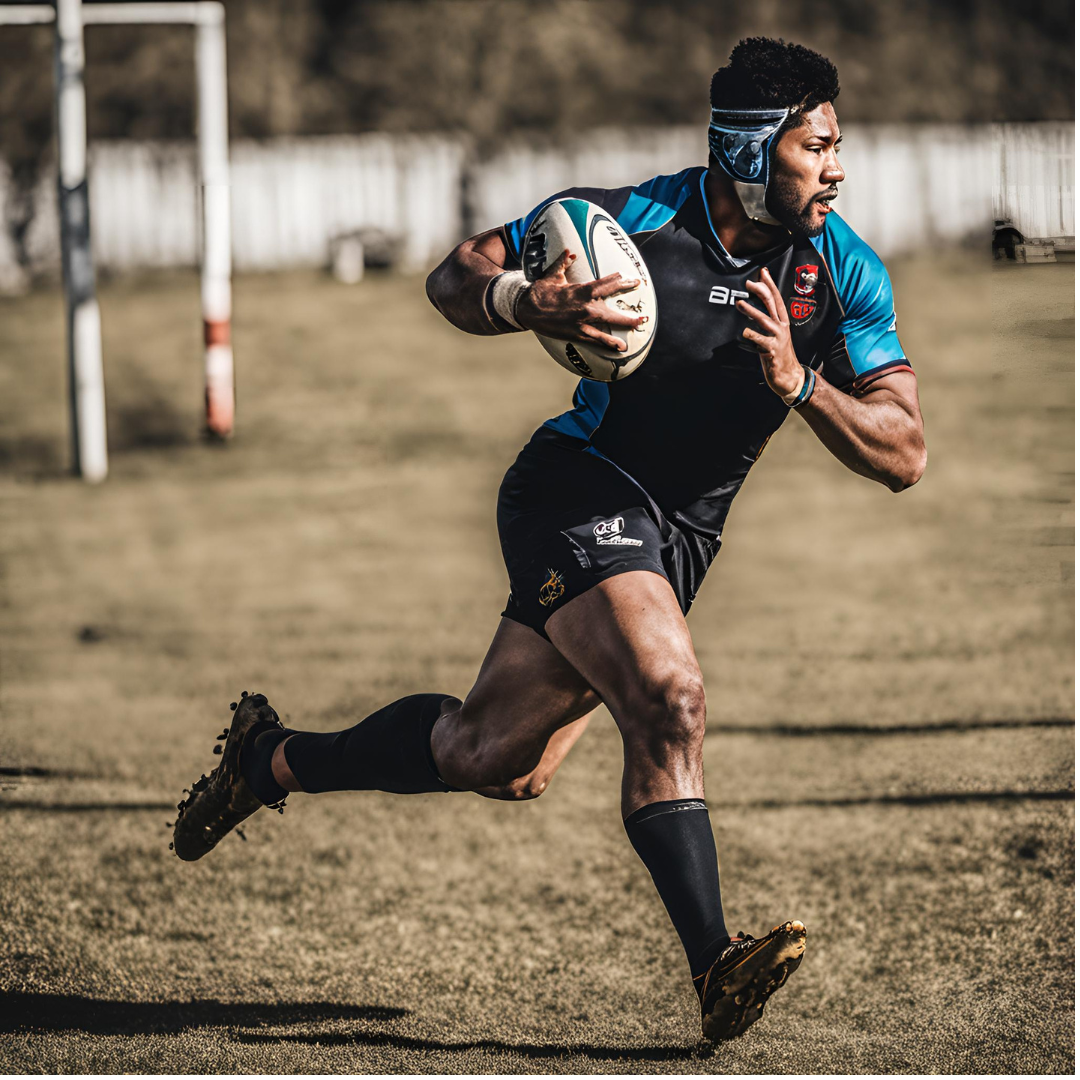
The Role of Number 8 in Rugby: The Key to the Back Row
The number 8 is one of the most versatile and influential players in a rugby team. Positioned at the back of the scrum, the number 8 acts as a crucial link between the forwards and the backs, blending physicality with skill and athleticism. Wearing the number 8 jersey, these players must be powerful ball carriers, effective defenders, skilled at the breakdown, and tactically aware to make the right decisions under pressure. This blog will explore the various responsibilities of the number 8, their importance in both attack and defense, and the skills required to succeed in this pivotal position.
Check out our Rugby 101 post here to start with the entire game.
The Basics: Who Is the Number 8?
The number 8 is the only forward allowed to pick up the ball from the base of the scrum, giving them a unique role in the set piece. Positioned at the back of the scrum, directly behind the two locks, the number 8 provides the team with an extra option for attack. They must have a strong physical presence, able to take on defenders and gain valuable meters for their team. However, the number 8 must also be highly skilled, possessing good ball-handling abilities, speed, and tactical awareness.
In modern rugby, the number 8 is often one of the most dynamic players on the field, capable of making game-changing plays through their ball-carrying, defensive work, and decision-making. They are sometimes referred to as “back-row generals” because of the leadership role they often play within the team, both in terms of tactics and communication.
The Scrum: Controlling and Exploiting Space
One of the Number 8’s primary responsibilities is controlling the ball at the base of the scrum. When the scrum is won, the number 8 must secure the ball and decide how to use it. Their options include picking up the ball and driving forward, passing it to the scrumhalf, or executing a tactical play depending on the game situation.
Controlling the Ball: In a scrum, as the ball is fed in and won by the forward pack, it moves toward the back of the scrum where the number 8 waits to collect it. The number 8 must be steady and composed under pressure, controlling the ball with their feet until they are ready to pick it up. Timing is critical, as they must make quick decisions to either carry the ball themselves or release it to the scrumhalf.
Driving from the Scrum: One of the key attacking options for the number 8 is picking up the ball from the base of the scrum and driving forward. This is particularly effective when the team is near the opposition’s try line, as the number 8 can use their power to break through defenders and score. Their ability to break tackles and gain meters in contact situations is vital, especially when the opposition is applying pressure.
Linking Play: The number 8 often acts as a bridge between the forwards and backs, linking up with the scrumhalf or fly-half to initiate attacking moves. This role requires good vision, passing ability, and decision-making, as the number 8 must recognize opportunities to exploit gaps in the defense or create space for the backs.
Ball Carrying: The Number 8 as a Line-Breaker
One of the most important roles of a number 8 is ball carrying. They are often the designated player to take the ball into contact, especially in close quarters around the scrum or ruck. Their combination of size, strength, and speed makes them one of the most effective line-breakers on the field.
Carrying into Contact: The number 8 is frequently called upon to carry the ball into the opposition defense, particularly in tight areas around the ruck or scrum. Their job is to make hard yards, drawing in defenders and creating space for their teammates. Number 8s are often the go-to players for short bursts of momentum, and their ability to break tackles or offload in contact is crucial in maintaining attacking momentum.
Wide Channel Play: While the number 8 typically operates in the central part of the field, they are also capable of carrying the ball in wider channels. Their pace and power make them dangerous runners in open play, where they can target opposition backs who may not be as strong in defense as the forwards. This versatility allows the number 8 to be a threat in multiple areas of the field.
Tackling and Defense: Shutting Down Opposition Attacks
Defensively, the number 8 is a key player in stopping opposition attacks. Their physicality and mobility allow them to make tackles in both tight and open spaces, and their positioning ensures they are often the first player to confront attacking runners.
Tackling: Number 8s must be effective tacklers, capable of bringing down both forwards and backs. Whether it’s stopping a powerful forward in close quarters or chasing down a speedy back in open play, the number 8 must be versatile and reliable in defense. They are often tasked with making big tackles that stop the opposition’s momentum, particularly around the ruck area.
Cover Defense: The number 8 must also be able to cover large areas of the field, particularly in broken play situations where the opposition has made a break. Their speed and endurance allow them to track back and make crucial tackles, preventing the opposition from gaining further ground or scoring.
The Breakdown: Supporting and Competing for Possession
At the breakdown, the number 8 plays a vital role in either securing possession for their team or contesting for the ball when the opposition has it. They must be strong and effective in clearing out opposition players and protecting the ball for their scrum-half to distribute.
Securing Possession: After a tackle is made, the number 8 is often one of the first players to arrive at the breakdown. Their job is to secure the ball for their team by rucking over it, ensuring that the opposition cannot steal possession. They must be quick to react, strong in their body position, and effective at clearing out opposition players trying to contest the ball.
Turnovers and Counter-Rucking: In defense, the number 8 can also be a threat at the breakdown, attempting to win turnovers by disrupting the opposition’s ruck. A well-timed counter-ruck or turnover can shift momentum and provide the team with valuable possession.
Leadership and Tactical Awareness
The number 8 often takes on a leadership role within the team, particularly in organizing the forward pack and making tactical decisions during the game. Their position at the back of the scrum and involvement in both attack and defense gives them a unique perspective on the game, allowing them to communicate effectively with both the forwards and backs.
Decision-Making: The number 8 must be able to make quick, intelligent decisions, particularly in high-pressure situations. Whether it’s deciding when to pick up the ball from the scrum, where to carry it, or how to organize the defense, the number 8’s tactical awareness is crucial to the team’s overall success.
Communication: As a key figure in the forward pack, the number 8 often takes on a leadership role, directing teammates and ensuring that the team remains organized during set pieces and open play. Their communication skills are vital in maintaining cohesion and structure, particularly in defense.
The Backbone of the Team
The number 8 is one of the most important players on a rugby team, providing a blend of power, skill, and leadership. Their role in controlling the scrum, carrying the ball, defending, and securing possession at the breakdown makes them indispensable to the team’s success. A great number 8 can change the course of a game with their ball-carrying ability, defensive work, and decision-making, making them one of the most influential positions in rugby.

Leave a Reply