
Debunking Stereotypes: Rugby’s Rise and Misunderstood Potential in North America
Rugby, often overshadowed by mainstream sports like football, basketball, and baseball, carries a myriad of misconceptions in North America. From being perceived as overly violent to being dismissed as a niche sport with limited appeal, rugby faces an uphill battle in the quest for broader acceptance. Yet, those who have experienced the game know it to be a dynamic, inclusive, and strategically rich sport. By addressing and debunking these stereotypes, rugby can claim its rightful place in the North American sports landscape.
Misconception 1: Rugby Is Just a More Violent Version of Football
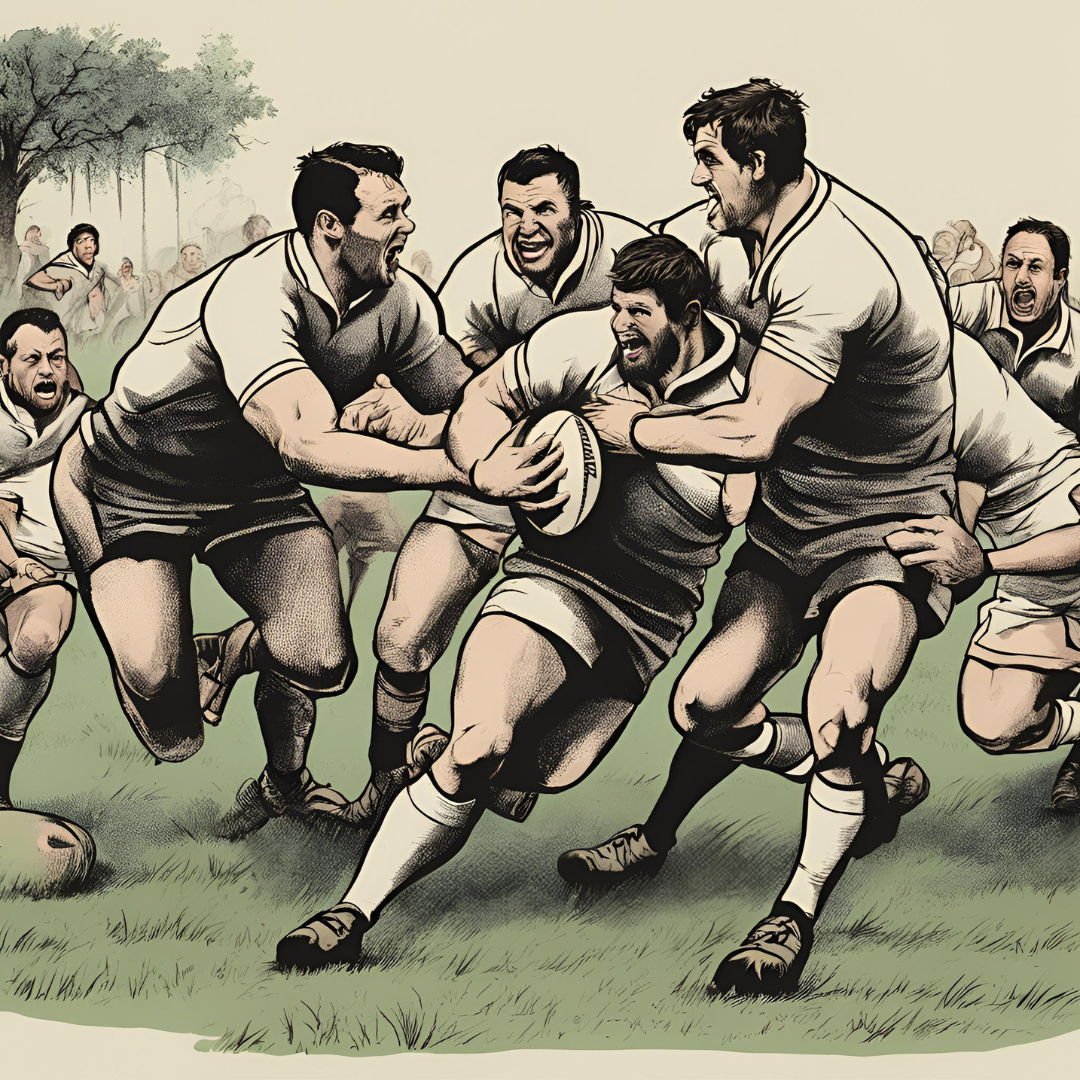
One of the most pervasive myths is that rugby is merely a rougher, more brutal iteration of American football. While it’s true that both sports involve physicality and tackling, the comparison often overshadows the nuanced differences that define rugby. For starters, rugby tackles prioritize technique over brute force. Players are trained to tackle in ways that ensure safety for both them and their opponents, with strict rules enforced to penalize dangerous play.
Moreover, rugby players do not wear extensive protective gear like helmets or pads. Contrary to the assumption that this increases danger, it actually promotes safer play. Without heavy equipment, players are less likely to use their bodies recklessly, leading to fewer catastrophic collisions. The emphasis on skill, agility, and teamwork in rugby creates a flow distinct from football’s stop-start nature, offering an entirely different viewing experience.
Misconception 2: Rugby Is Too Complicated for New Fans to Understand
Another barrier rugby faces is the perception that its rules are overly complex and difficult to grasp. Admittedly, rugby has its own jargon—scrums, lineouts, and rucks can sound alien to the uninitiated. However, the core principles of the game are straightforward: advance the ball, avoid forward passes, and score by grounding the ball in the opposing team’s try zone.
Rugby’s accessibility lies in its ability to engage audiences with minimal knowledge of the rules. The game’s continuous nature keeps fans captivated, and broadcasters often include on-screen graphics and commentary to help explain the action. Furthermore, grassroots initiatives and youth programs across North America are working to simplify the sport for beginners, ensuring that new fans and players feel welcomed and supported.
Misconception 3: Rugby Is Only for Men
Despite rugby’s historical association with masculinity, the sport has grown increasingly inclusive. Women’s rugby is one of the fastest-growing segments of the sport globally, with North America playing a significant role in its development. Events such as the USA Women’s Rugby Sevens team’s bronze medal win at the 2024 Olympics highlight the skill, athleticism, and dedication of female players.
In addition to elite competitions, recreational and youth programs are actively encouraging girls to take up the sport. Rugby’s ethos of respect and camaraderie fosters a welcoming environment for players of all genders. By spotlighting the achievements of women in rugby and promoting equitable opportunities, the sport can dispel outdated notions of exclusivity.
Misconception 4: Rugby Is a Niche Sport in North America
While rugby may not yet rival the popularity of football or basketball, it is far from obscure. Major League Rugby (MLR) has brought professional rugby to cities across the United States and Canada, drawing fans with its competitive matches and community engagement. International events like the Rugby World Cup Sevens in San Francisco (2018) and the British and Irish Lions’ tours have also helped raise the sport’s profile.
Additionally, the sport’s multicultural appeal resonates in North America’s diverse communities. Immigrant populations from rugby-loving nations like New Zealand, South Africa, and England have created vibrant local rugby cultures, while grassroots programs introduce the game to new audiences. Social media platforms and streaming services have further expanded rugby’s reach, making matches accessible to fans who may not have otherwise encountered the sport.
Changing Perceptions Through Education and Exposure
The key to breaking these stereotypes lies in education and exposure. Rugby organizations must invest in outreach programs that introduce the sport to schools, colleges, and communities. By offering accessible coaching clinics and free resources, they can dismantle the myths surrounding rugby while cultivating new generations of players and fans.
Media representation also plays a critical role. Documentaries, player interviews, and behind-the-scenes content can humanize the sport, showcasing its strategic depth and the stories of those who play it. Partnerships with influencers and collaborations with mainstream sports media can further amplify rugby’s message, presenting it as a dynamic and modern sport.
The Big Guy’s Final Thoughts
Breaking stereotypes about rugby in North America is not an overnight task, but the sport is well-positioned to succeed. By addressing misconceptions and promoting its true character—a sport of respect, strategy, and inclusivity—rugby can expand its footprint and inspire a new generation of players and fans.
As more people discover the thrill of a well-timed pass, the grace of a soaring lineout, and the unity forged on the field, the misconceptions will fade. In their place will be a deeper appreciation for a sport that has the power to bring communities together and challenge preconceived notions. Rugby’s journey in North America is just beginning, and its potential is boundless.

Leave a Reply