
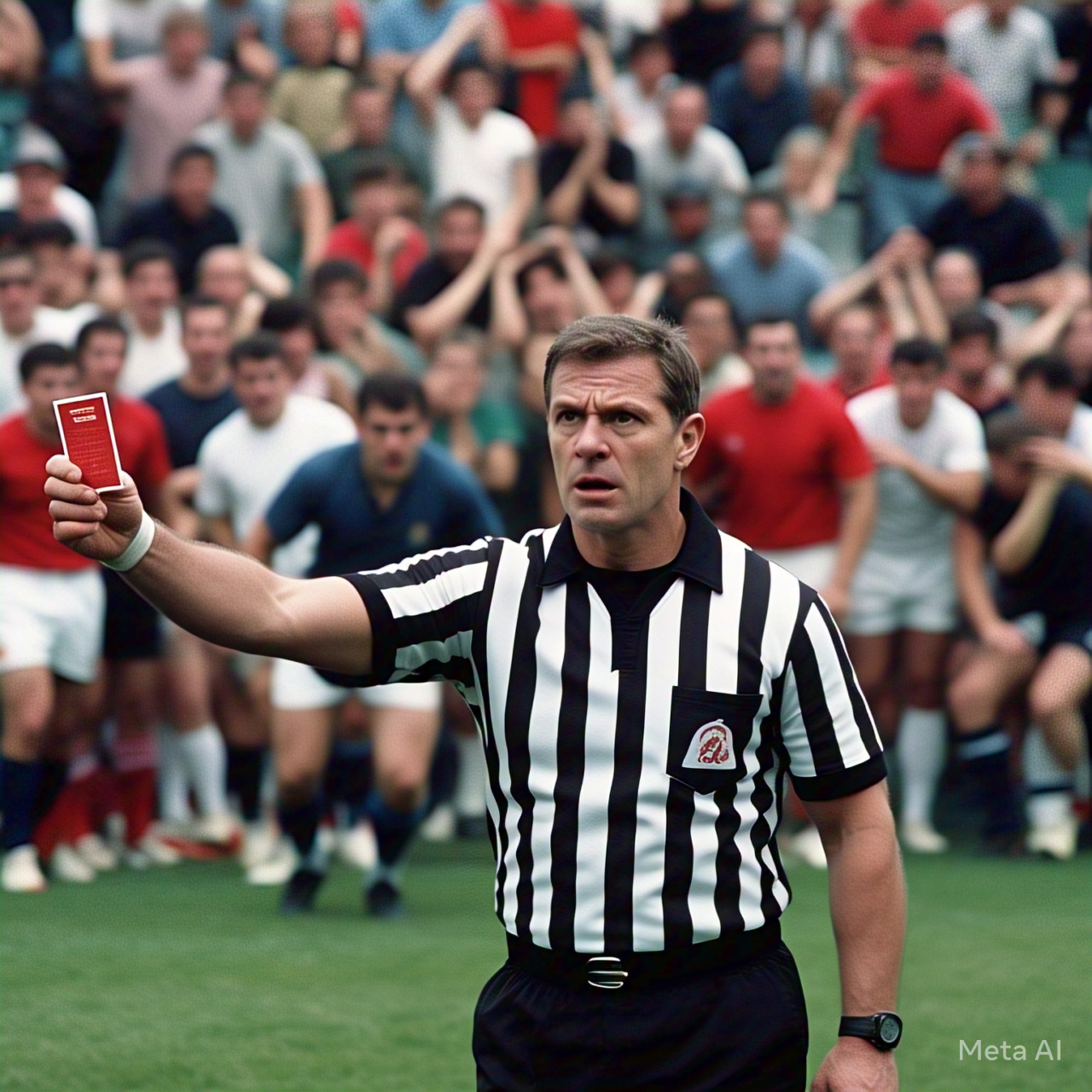
Understanding Dangerous Play and Red and Yellow Card Offenses in Rugby
Rugby is a full-contact sport that requires a delicate balance between physicality and safety. While players are expected to give their all on the pitch, they must also respect the well-being of their opponents. In this blog, we’ll explore the rules and scenarios surrounding red and yellow cards, with a focus on what constitutes dangerous play.
The Role of Red and Yellow Cards in Rugby
Red and yellow cards are used by referees to discipline players who commit fouls or engage in dangerous play. A yellow card is a warning, indicating that a player has committed a minor infringement, while a red card is a more serious penalty, resulting in the player’s ejection from the game.
What Constitutes Dangerous Play?
Dangerous play is a broad term that encompasses a range of behaviors that put opponents at risk of injury. Some examples of dangerous play include:
- Tackling an opponent above the shoulders: This type of tackle is considered dangerous because it can lead to head or neck injuries.
- Leading with the elbow or forearm: When a player leads with their elbow or forearm, they can cause serious injury to their opponent’s head or face.
- Charging into a ruck or maul: Charging into a ruck or maul can be dangerous because it can lead to collisions that cause injury.
- Not releasing a tackled player: Failing to release a tackled player can lead to injuries, particularly if the player is trapped beneath a pile of bodies.
Case Studies: Red Card Offenses
Here are some examples of red card offenses that demonstrate what constitutes dangerous play:
- High tackle on a defenseless player: In a recent match, a player was given a red card for tackling an opponent above the shoulders. The opponent was defenseless and vulnerable to injury, making the tackle a clear example of dangerous play.
- Reckless charging into a ruck: Another player was given a red card for charging recklessly into a ruck. The player’s actions caused a collision that injured an opponent, demonstrating the dangers of this type of behavior.
- Late tackle on a player who has kicked the ball: A player was given a red card for tackling an opponent late, after the opponent had kicked the ball. This type of tackle is considered dangerous because it can cause injury to the opponent’s head or neck.
Case Studies: Yellow Card Offenses
Here are some examples of yellow card offenses that demonstrate what constitutes minor infringements:
- Not rolling away from a tackle: A player was given a yellow card for failing to roll away from a tackle. This type of behavior is considered a minor infringement because it does not put the opponent at risk of injury.
- Entering a ruck incorrectly: Another player was given a yellow card for entering a ruck incorrectly. This type of behavior is considered a minor infringement because it does not pose a significant risk to the opponent’s safety.
- Failing to release a tackled player: A player was given a yellow card for failing to release a tackled player. This type of behavior is considered a minor infringement because it does not cause significant harm to the opponent.
Conclusion
Red and yellow cards play a crucial role in maintaining player safety and promoting fair play in rugby. By understanding what constitutes dangerous play and minor infringements, players, coaches, and referees can work together to create a safer and more enjoyable game. Whether you’re a seasoned pro or a newcomer to the sport, this guide has provided you with valuable insights into the rules and scenarios surrounding red and yellow cards in rugby.

Leave a Reply