
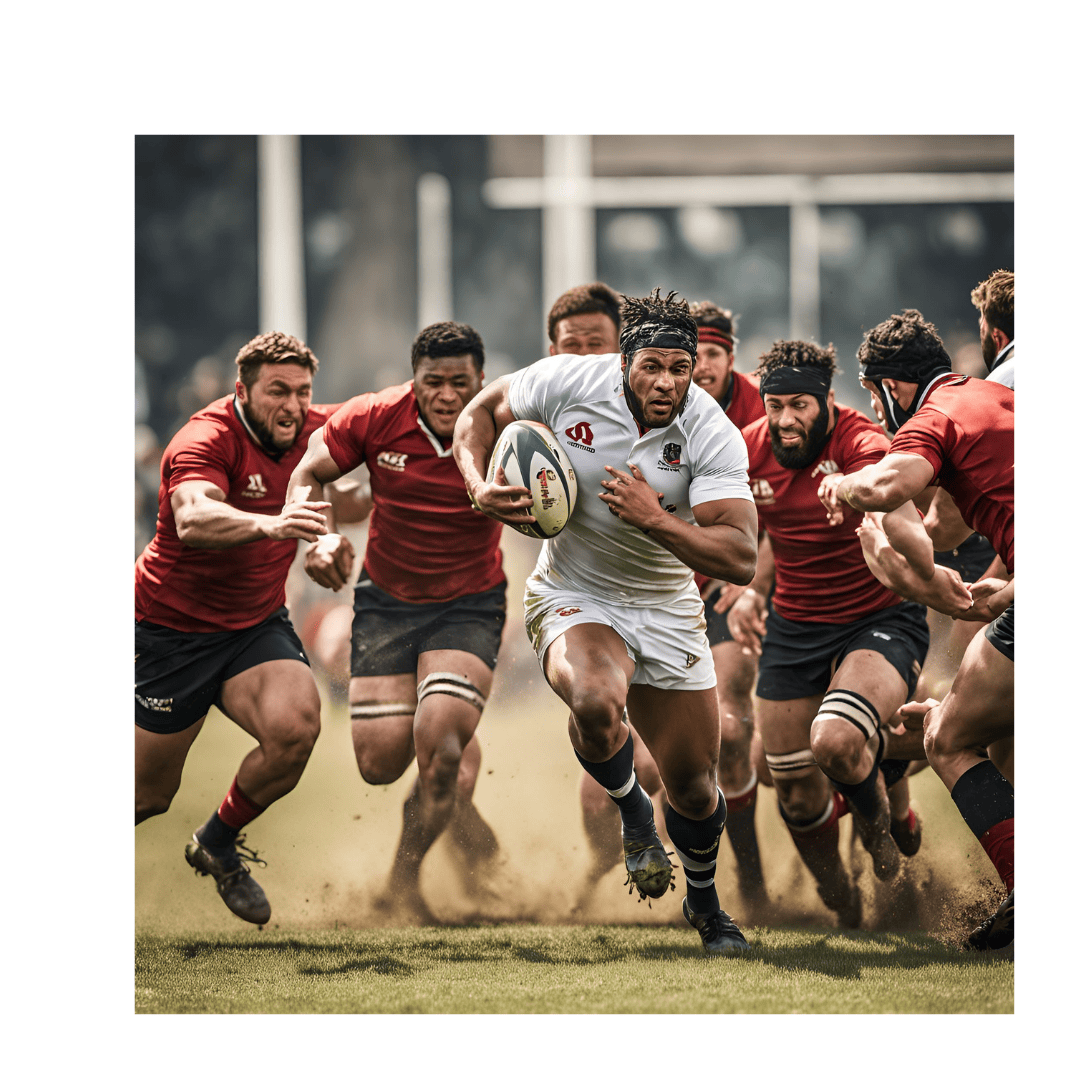
Understanding the Fullback Position in Rugby
In rugby, the fullback is a pivotal position that often gets overshadowed by the more glamorous roles like fly-half or wing. However, the fullback is a crucial component of any team, serving as the last line of defense and a dynamic attacking force. This blog explores the multifaceted role of the fullback, its key responsibilities, and the qualities that make a standout player in this position.
Check out our Rugby 101 post here to start with the entire game.
The Role of the Fullback
The fullback is positioned at the back of the rugby team, behind the forwards and backs. This strategic placement allows the fullback to oversee the entire field, making them instrumental in both defensive and attacking scenarios. The primary responsibilities of a fullback include:
- Defensive Duties: As the last line of defense, the fullback must be adept at reading the game and positioning themselves to cover any potential breaks. They need to be quick and agile to tackle opponents and prevent tries. Good fullbacks are also exceptional at catching high kicks and fielding difficult balls, ensuring that the opposition does not gain an advantage through strategic kicking.
- Counter-Attacking: A fullback’s ability to launch a counterattack is a game-changer. When the ball is kicked to them, they have the opportunity to exploit the space left by the attacking team. Effective counterattacking requires speed, vision, and the capability to make incisive runs to break through the opposition’s defensive line.
- Kicking: Fullbacks often perform tactical kicking, whether it’s a clearance kick to relieve pressure or a tactical kick to gain territory. Their kicking game needs to be precise and well-considered, balancing power with accuracy.
- Support Play: In attack, fullbacks are often involved in supporting their teammates. They must be ready to join the backline, create overlaps, and provide an extra option in the attack. Their ability to read the game and make smart decisions is crucial in maintaining offensive momentum.
Key Qualities of a Successful Fullback
To excel in the fullback position, players must possess a unique set of qualities:
- Excellent Defensive Skills: Fullbacks must be strong tacklers with a keen sense of positioning. They need to be able to read the opposition’s play and react swiftly to defensive threats.
- Speed and Agility: The ability to move quickly and change direction is essential for both defense and attack. Fullbacks often need to chase down opponents and make rapid breaks when counterattacking.
- Good Communication: Fullbacks need to communicate effectively with their teammates, particularly the wingers and the fly-half. Coordination in defense and attack is crucial for a well-organized team structure.
- Solid Kicking Ability: A fullback’s kicking skills can influence the game significantly. Whether it’s a clearance kick or a tactical punt, accuracy and distance are key.
- Composure Under Pressure: Fullbacks frequently find themselves in high-pressure situations, such as fielding high balls or making crucial tackles. Staying calm and making the right decisions is critical for success in this role.
Iconic Fullbacks in Rugby History
Throughout rugby history, several fullbacks have set benchmarks for excellence in this position. Players like Israel Folau, who combined strong defensive skills with explosive attacking ability, and Paul Williams, known for his exceptional kicking and strategic play, have left a lasting impact on the game.
The Fullback in Modern Rugby
In contemporary rugby, the role of the fullback has evolved with the changing dynamics of the game. Modern fullbacks are expected to be more versatile, often performing dual roles in defense and attack. They must be capable of quick decision-making and adapting to various game situations, reflecting the fast-paced nature of modern rugby.
Fullbacks are now also more involved in set-piece play and strategic kicking, showcasing the importance of a well-rounded skill set. Teams that have effective fullbacks often have a tactical advantage, as these players can influence the game in multiple ways.
Mastering the Fullback Position in Rugby
The fullback position in rugby is far more than just a defensive role; it’s a dynamic and strategic position that requires a blend of defensive prowess, attacking flair, and tactical intelligence. Fullbacks play a crucial role in the team’s overall strategy, and their performance can significantly impact the outcome of a game. Understanding the complexities of this position not only enhances appreciation for the fullback’s role but also highlights the importance of every player’s contribution to the team’s success.

Leave a Reply