
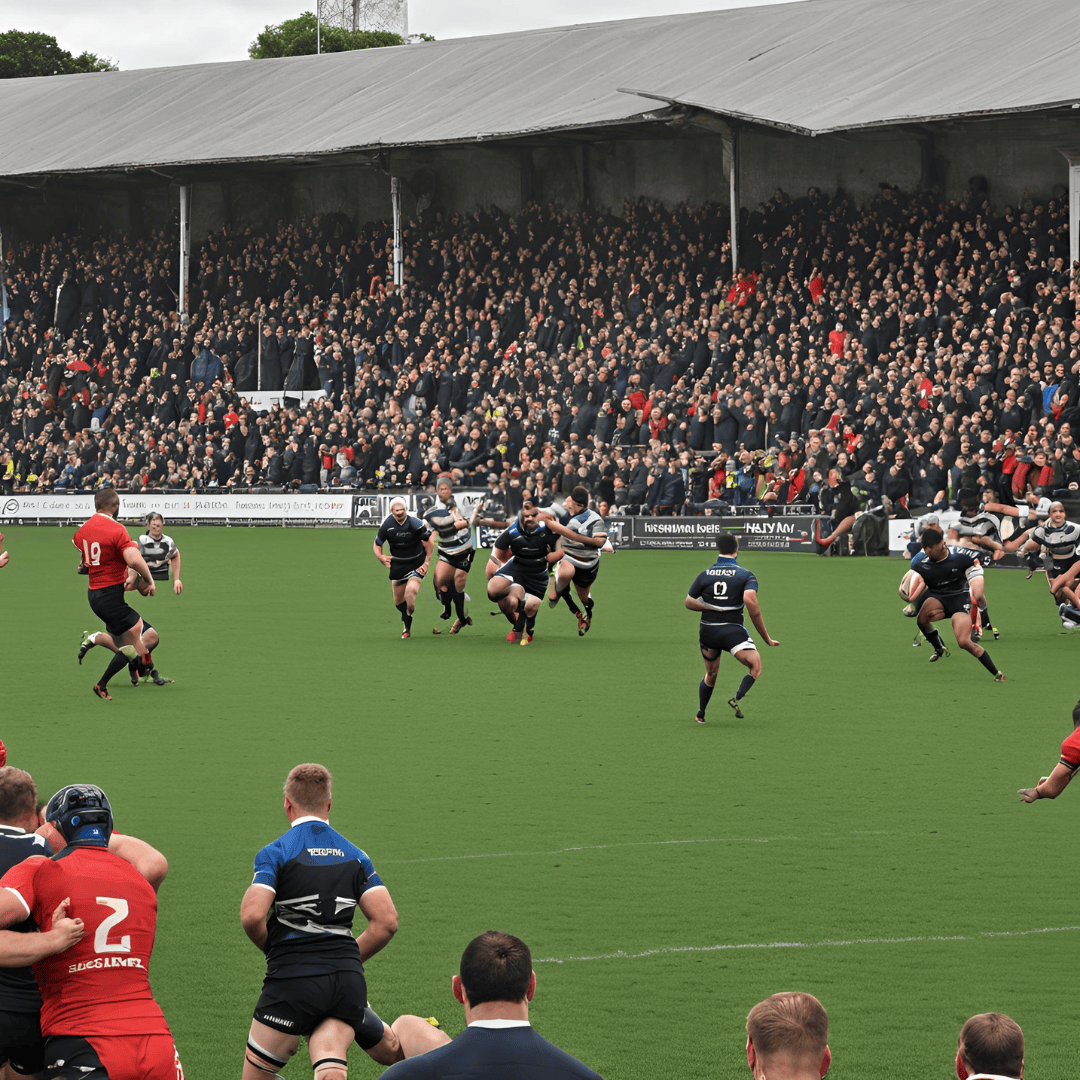
Space in Rugby: Strategies for Effective Play and Tactical Success
In Rugby, the ability to utilize space effectively is a hallmark of great teams and players. Space on the field, whether wide or narrow, is the canvas on which attacking rugby is painted. Teams that master the art of creating, exploiting, and defending space gain a decisive edge, unlocking their potential to score points and dominate the game.
In this blog, we’ll explore the concept of space in Rugby, the strategies for utilizing it on attack and defense, and the importance of decision-making and positioning in controlling the field.
Understanding Space in Rugby
Space refers to the open areas on the field where players can move and pass the ball to evade defenders or create scoring opportunities. The rugby field is 70 meters wide and 100 meters long, offering ample opportunities for tactical exploitation. The challenge lies in finding and using that space effectively against an organized defense.
1.1 Types of Space
- Lateral Space: This refers to the width of the field. Teams aim to stretch the defense laterally by moving the ball quickly across the field to create gaps. Exploiting lateral space often involves skilled backline moves, quick hands, and well-timed passes.
- Vertical Space: Vertical space is the distance between the attacking line and the defensive line. Teams try to manipulate vertical space through decoy runners, attacking kicks, and quick recycling of the ball to keep defenders guessing.
- Behind the Defensive Line: Space behind the defensive line is critical for tactical kicking. Well-placed grubber kicks, chip kicks, or high bombs can exploit this space to create scoring opportunities.
Creating and Exploiting Space
Effective use of space requires a combination of individual skill, tactical awareness, and team cohesion. Let’s explore the strategies teams use to create and exploit space.
2.1 Stretching the Defense
To create space, teams aim to stretch the defense horizontally. This is achieved by moving the ball wide through quick passes or by using the full width of the field in attacking plays. The goal is to pull defenders out of position and create gaps in the defensive line.
- Switching Play: By quickly switching the direction of the attack, teams can exploit overlaps or mismatches in the defense. This tactic is particularly effective when the opposition’s defensive structure hasn’t fully reset after a phase of play.
- Decoy Runners: Decoy runners are used to draw defenders out of position, creating gaps for other players to exploit. By running hard lines or feinting to receive the ball, decoys force defenders to commit, opening up space elsewhere.
2.2 Using Overlaps
Overlaps occur when the attacking team has more players in a particular area than the defenders. This can be achieved through quick passing, offloading in the tackle, or creating mismatches.
- Exploiting Overlaps: Teams look to move the ball rapidly to the area of the field where the overlap exists. Precision passing, timing, and vision are essential to capitalize on these opportunities.
- 2-on-1 Situations: In a simple overlap, such as a 2-on-1, the ball carrier draws the defender and then passes to their teammate in space. This fundamental skill is crucial for creating try-scoring chances.
2.3 Kicking for Space
Kicking strategically allows teams to exploit space behind the defensive line. Well-placed kicks can force defenders to turn and chase, often putting them under pressure.
- Grubber Kicks: Low, bouncing kicks behind the defensive line can create opportunities for the attacking team to regain possession or apply pressure.
- Cross-Field Kicks: High, wide kicks aimed at wingers exploit lateral space and mismatches, particularly when defenders are drawn into the midfield.
- Chip Kicks: Short, high kicks over the defensive line can create quick scoring chances when executed effectively.
Defending Space
While attacking teams focus on creating and exploiting space, defensive teams aim to deny it. A strong defensive strategy involves maintaining an organized structure, reading the opposition’s movements, and reacting quickly to threats.
3.1 Line Integrity
A well-structured defensive line is the cornerstone of denying space. Defenders aim to move as a cohesive unit, maintaining their line integrity and closing down options for the attackers.
- Drift Defense: Teams use drift defense to push attackers toward the touchline, reducing the width available to them. Defenders move laterally, covering passing options while keeping the ball carrier in their sights.
- Up-and-In Defense: This aggressive defensive tactic involves rushing up quickly on the ball carrier, cutting down their time and space. It’s often used to force mistakes or pressure the opposition into kicking.
3.2 Contesting the Breakdown
Dominating the breakdown is essential for denying space. By slowing down the opposition’s ruck speed, defenders give themselves more time to reset and reorganize.
- Counter-Rucking: Teams may commit additional players to the breakdown to win turnovers or disrupt the opposition’s possession.
- Jackaling: A well-timed turnover by a player contesting for the ball at the ruck can not only regain possession but also disrupt the attacking team’s rhythm and use of space.
3.3 Covering Kicks
Effective defensive positioning includes anticipating and covering kicks into space. Fullbacks and wingers play a critical role in reading the play and positioning themselves to field kicks or close down attackers.
Key Players and Roles in Exploiting Space
The use of space depends on every player understanding their role and executing it effectively. Certain positions have specialized roles in creating or defending space:
4.1 Fly-Half (No. 10)
The fly-half is often the orchestrator of attacking play, dictating where and how the team attacks. They make crucial decisions about whether to run, pass, or kick to exploit space.
4.2 Centers (No. 12 and 13)
Centers play a pivotal role in both creating and exploiting space. Their ability to run hard lines, make incisive breaks, and offload in contact is key to breaking down defensive structures.
4.3 Wingers (No. 11 and 14)
Wingers are often the beneficiaries of space created by their teammates. They must have the speed, agility, and awareness to exploit overlaps and finish scoring opportunities.
4.4 Fullback (No. 15)
The fullback is responsible for covering space in defense and counter-attacking effectively when space is available. Their ability to read the game and join the attack at the right moment is crucial.
The Role of Decision-Making and Vision
Effective use of space is not just about physical skill—it’s about intelligence and decision-making. Players need to read the game, anticipate where space will open up, and act decisively to exploit it. Teams that communicate well and execute their game plan with precision are often the ones that dominate the use of space.
Training for Space Utilization
To master the use of space, teams incorporate specific drills and tactics into their training. These include:
- Passing Drills: To improve accuracy and speed, enabling quick ball movement to exploit overlaps.
- Game Scenarios: Simulating match situations to practice decision-making under pressure.
- Defensive Line Drills: Focusing on maintaining line integrity and closing down space effectively.
Conclusion: The Art of Using Space in Rugby
The strategic use of space is what elevates Rugby from a physical contest to a tactical masterpiece. Teams that understand how to create, exploit, and defend space have a significant advantage, turning the pitch into a battlefield of calculated movements and split-second decisions. Whether through intelligent kicking, slick passing, or relentless defense, the mastery of space is what separates good teams from great ones.
By honing their skills in utilizing space, players and teams not only increase their chances of scoring but also contribute to the dynamic and captivating nature of Rugby.

Leave a Reply