
How Climate Shapes Rugby in North America: Strategies and Challenges Across Regions
Rugby, a sport known for its physicality and adaptability, must contend with an additional opponent in North America: climate. The diverse weather patterns across the continent—from the frozen fields of Canada to the humid plains of the southern United States—shape the way the game is played, scheduled, and even how teams approach their strategies. With rugby’s growing presence in North America, players and coaches have had to adapt to these regional climatic challenges to keep the game competitive and enjoyable.
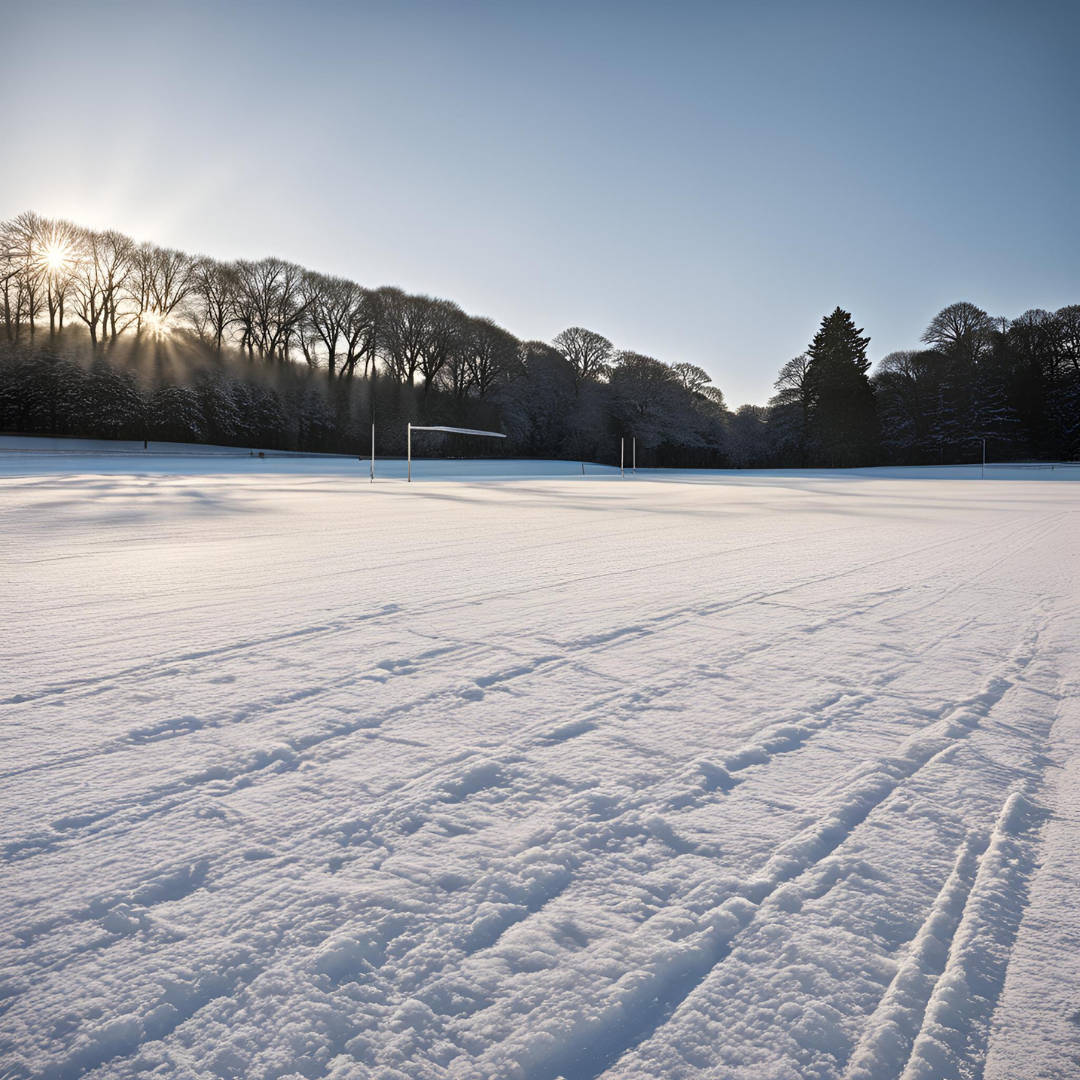
Winter in the North: How Cold Weather Affects Play
In northern regions like Canada and the northern U.S., rugby teams face extreme winter conditions that challenge both players and logistics. With rugby traditionally being a spring and fall sport, winter’s extended reach in these areas can lead to unique adaptations in play and preparation.
- Cold-Weather Training Challenges: Freezing temperatures and snow-covered fields limit outdoor training options during the winter months. Teams in regions like British Columbia, Ontario, and the northern U.S. often turn to indoor facilities for training or invest in all-weather fields. However, the lack of exposure to full-size outdoor conditions can impact game readiness.
- Game Adaptations in Cold Weather: When teams do play in cold or snowy conditions, the game itself changes. Cold temperatures can affect players’ handling skills, with the ball becoming more slippery and difficult to control. The pace of the game may slow down as players focus more on short passes and forward-heavy play to reduce handling errors. Teams playing in cold climates often develop a more physical, forward-oriented style of rugby to adapt to these conditions.
- Extended Season or Postponements?: In many cases, especially in Canada, harsh winter weather shortens the season or forces the postponement of early matches. The condensed season pressures teams to perform consistently in a short time frame, affecting fitness levels and overall performance. Some leagues even shift their schedules to align with milder weather, avoiding the coldest months altogether.
The Rainy Pacific Northwest: Slowing the Game
The Pacific Northwest, including regions like Seattle, Vancouver, and Portland, is known for its high levels of rainfall, especially during the rugby season. While these conditions rarely halt play, they significantly affect the style and tempo of matches in this region.
- Waterlogged Fields and Game Pace: Rugby is typically played regardless of rain, but waterlogged fields slow the game down significantly. Passing becomes more challenging, and scrums and rucks can turn into muddy battles. The wet conditions promote a more tactical kicking game as teams aim to gain territory by avoiding ground play.
- Adaptation to Defensive Play: Teams from this region tend to focus on strong defensive structures, as the slowed pace and slippery conditions make it harder to break through defensive lines. The emphasis on a tactical kicking game also means these teams excel at territorial control, often pinning opponents deep in their own half.
- Hydration and Health Concerns: While hydration is always crucial, constant wet conditions can actually mask dehydration risks, as players might not realize they are losing fluids. Additionally, injuries such as pulled muscles can become more common in cold, wet environments.
The Southern Heat: Coping with High Temperatures and Humidity
In the southern U.S.—places like Texas, Florida, and Georgia—high temperatures and humidity play a major role in how rugby is played and scheduled. With many matches happening in the late spring and summer, teams are frequently forced to cope with the extreme heat that can influence the game’s intensity and player safety.
- Heat and Player Fatigue: In high temperatures, players tire more quickly, and the game slows down as teams manage their energy reserves. Breakdowns and scrums take longer, and the overall pace of the game is often dictated by the heat. Southern teams must develop superior fitness levels to maintain performance, with hydration and conditioning becoming a major part of training.
- Heat-Specific Strategies: Coaches in these regions adjust tactics to account for the heat. High-pressure, fast-paced rugby might be common early in matches, but as fatigue sets in, teams often rely on structured, set-piece plays. Lineouts, scrums, and mauls take on greater importance, as they give players brief moments of rest during the game.
- Scheduling for Player Safety: To avoid the dangers of extreme heat, many leagues and clubs in the South schedule early-morning or late-evening matches to minimize exposure to the hottest part of the day. This adaptation ensures that games can be played safely without compromising player performance.
Mountain Altitudes: Thin Air and Strategic Adjustments
In mountainous regions like Colorado, Utah, and parts of Canada, altitude adds another layer of complexity to rugby. Teams from lower altitudes face unique challenges when traveling to higher elevations, as the reduced oxygen levels at altitude can significantly impact physical performance.
- Impact on Fitness and Endurance: Players unaccustomed to higher elevations often struggle with endurance, as the thin air makes it harder to recover between sprints or high-intensity plays. Teams based at higher altitudes typically develop strong aerobic fitness to offset this, giving them a home-field advantage.
- Strategic Kicking at Altitude: Altitude also affects the dynamics of kicking. With less air resistance, the ball travels farther at high altitudes, allowing teams to adopt more long-range tactical kicking. This can favor teams that excel at a territorial game, putting pressure on their opponents by kicking deep into their territory.
- Travel and Acclimatization: For teams traveling to higher elevations, acclimatization is key. Arriving days before a match helps players adjust to the thin air, but the financial and logistical constraints of traveling often make this difficult for many clubs, leading to an uphill battle on match day.
The Northeastern Spring: Cold, Wet, and Unpredictable
Rugby season in the northeastern U.S. and parts of eastern Canada often starts with cool temperatures, heavy rain, and unpredictable weather conditions. These early-season challenges force teams to be adaptable and resilient.
- Wet, Muddy Conditions: Early spring in the Northeast is often characterized by wet fields, muddy terrain, and cold rain. These conditions slow down games, making it harder for teams to execute complex passing plays. Teams here often adopt a forward-heavy game plan, focusing on gaining yards through physical play rather than flashy backline moves.
- Injury Prevention and Preparation: The muddy conditions create a higher risk of injury, especially with knee and ankle twists during scrums or tackles. Northeastern teams must pay close attention to injury prevention, emphasizing proper warm-ups and post-game recovery to keep players healthy.
- Resilient Playstyles: Teams in the Northeast develop a tough, grind-it-out style of rugby, with an emphasis on patience and field position. Players here are often conditioned to withstand long, physical games where controlling possession becomes more important than quick-scoring opportunities.
The Role of Climate in Strategic Adjustments
No matter where rugby is played in North America, climate plays a role in shaping not just the conditions but also the strategies teams adopt. Some regions may favor teams with a heavy focus on scrums and forwards, while others may reward teams with superior fitness, aerial skills, or game management. Climate forces teams to adapt to their local conditions, making it an integral part of North American rugby’s diverse playstyles.
- Informed Recruitment and Training: Teams from regions with extreme weather often recruit players who are more physically suited to their specific conditions, whether it’s resilience in heat or adaptability to altitude. Training regimens are also tailored to maximize performance in specific climates, focusing on hydration, fitness, or endurance as needed.
- Traveling Teams’ Challenges: Climate conditions create a distinct home-field advantage for many teams. Visiting teams that are not acclimated to the local weather conditions often struggle to adjust, especially if they are traveling between vastly different climates (e.g., from Florida’s heat to Canada’s freezing spring).
The Big Guy’s Final Thoughts
While rugby’s physical and tactical demands are universally recognized, in North America, climate adds another layer of complexity to the sport. From frozen fields to humid heat, the weather conditions influence everything from player fitness and game style to team strategy and season scheduling. Teams and players who can best adapt to their local climate thrive, shaping the diverse and evolving nature of North American rugby. As the sport continues to grow across the continent, these climatic adaptations will continue to define its unique regional identities.

Leave a Reply